
Is the risk of a monetary policy mistake receding?
As expected, the European Central Bank raised its policy rate by 25 basis points to 2.25%. At the same time, it revised its inflation forecasts for 2026 and 2027 higher, while slightly lowering its growth outlook. Initially, markets interpreted the decision as the start of a new monetary tightening cycle, pricing in more than two additional rate hikes by year-end.
However, the preliminary agreement reached between Iran and the United States materially changes the outlook. Geopolitical easing should support a gradual decline in oil prices, thereby reducing the risk of persistent inflationary pressures. Against this backdrop, the ECB’s rate increase appears more like an adjustment to the energy shock than a genuine shift in monetary policy stance. Expectations for further rate hikes have already been revised lower. As a result, the risk of a monetary policy mistake has diminished, which should provide a supportive backdrop for European equities.
Deal! For his birthday, Donald Trump delivers relief to financial markets
The pressure was immense on Donald Trump this weekend, as the US President had promised a “deal” with Iran by the date of his 80th birthday. In the final hours of Sunday, he ultimately succeeded.
The agreement reached on Sunday is a preliminary one. It is expected to be formally signed by the various parties on June 19 in Switzerland and represents only a first step toward further negotiations regarding Iran’s nuclear program and the potential lifting of financial sanctions imposed on the country.
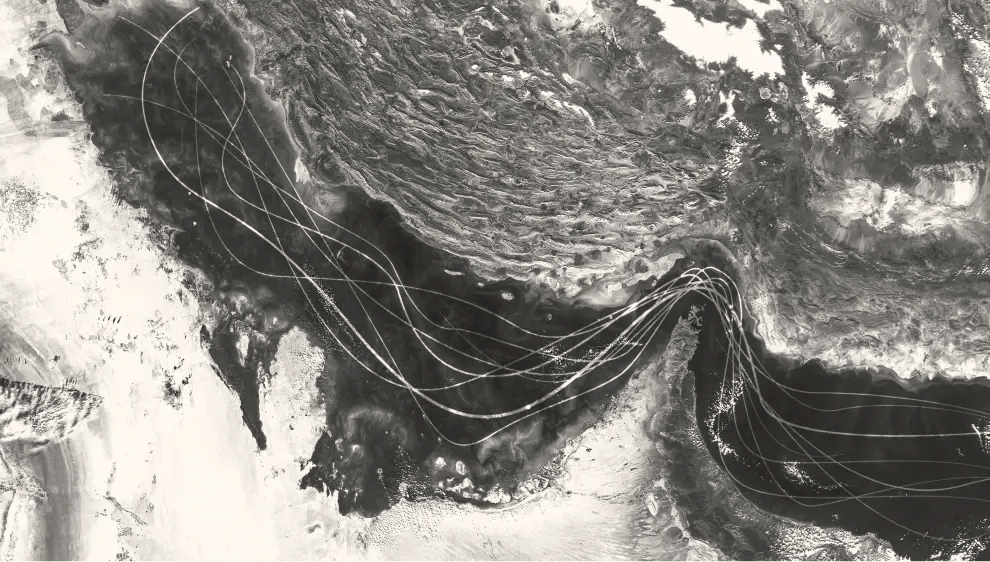
The reopening of the Strait of Hormuz takes effect immediately and comes as a major relief for financial markets, which had feared a severe oil shortage within a matter of weeks as countries increasingly relied on their strategic petroleum reserves. Unsurprisingly, major equity markets opened higher this morning, while oil prices continued their downward trend, falling back to around USD 80 per barrel, a level not seen since the beginning of the conflict.
While many questions remain unanswered, we believe that increasing equity risk within portfolios is now justified, as geopolitical uncertainty has declined significantly. The regions most affected by the oil supply disruption, namely Europe and Asia, should be favoured. We are therefore returning to an equity allocation broadly similar to the one we recommended before the conflict began.
It is worth remembering that the fundamentals of the global economy have remained remarkably strong despite the geopolitical disruptions of recent months. Investors can now refocus on the favourable growth outlook for the year ahead.
That said, no one should assume that a full return to normality will happen overnight. The new equilibrium is likely to remain fragile. Oil prices are expected to normalize only gradually, as strategic reserves need to be replenished. Likewise, disruptions to global shipping and freight markets will probably take several weeks, if not months, to fully dissipate.
For financial markets, however, the prospect of a prolonged and escalating conflict appears to be receding. The easing of inflation concerns also provides significant relief to central banks, many of which are holding policy meetings this week.
As a result, new highs across major equity indices appear increasingly likely. We believe it is appropriate to return portfolio risk levels to those prevailing before the conflict began. In a second phase, an even higher level of equity exposure could be justified if the situation in the Middle East stabilizes durably and economic prospects continue to improve, as they have done in recent months.
This week’s figure: 2.9 %
In the United States, core inflation remained relatively stable in May at 2.9%. This suggests that, beyond the direct impact of energy price fluctuations, the repercussions of the conflict in the Middle East have not yet materially spread to the broader basket of consumer goods and services.
Author
-

Daniel Steck brings nearly twenty‑five years of experience in the financial sector. He began his career in financial analysis at Lombard Odier, focusing in particular on the healthcare sector, before continuing at Reyl & Cie as an analyst and portfolio manager. He joined Piguet Galland in 2018 as a Senior Portfolio Manager, where he is responsible for managing equity funds and thematic certificates invested in Switzerland and North America.